Fire Season Starts Now: What Smart Napa Homeowners Do Before the First Red Flag Warning
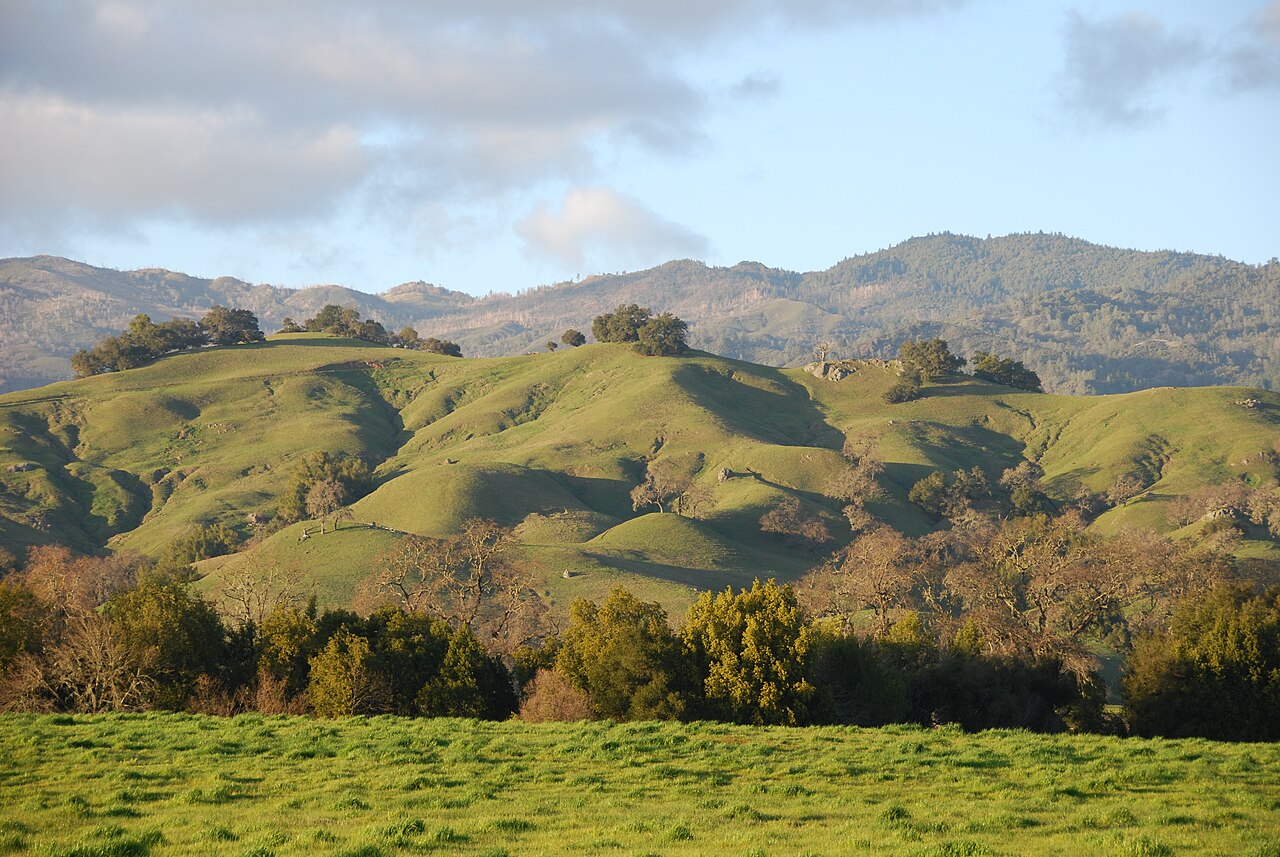
Fire season in Napa Valley doesn’t begin with sirens or smoke — it begins quietly, with rising temperatures, drying grasses, and the first north winds of summer. July is the moment when proactive homeowners set themselves up for a safer, calmer season. The work you do now determines how your landscape performs when conditions tighten later.
Below is a designer‑level guide to early‑season fire preparation that keeps your property beautiful, modern, and resilient.
Why July Matters More Than September
By the time the first Red Flag Warning arrives, most homeowners are already behind. July offers three advantages:
- Vegetation is still manageable — not yet brittle or overgrown.
- Irrigation systems are running, making it easier to evaluate water use and plant stress.
- Design changes can be planned now and installed in fall, the ideal planting season.
Think of July as the “pre‑season” — the window where small adjustments make the biggest difference.
Start With the Three Defensible Space Zones
A well‑designed landscape doesn’t fight fire; it slows it, redirects it, and reduces its intensity. The structure of your property matters as much as the plants themselves.
Zone 0: 0–5 Feet — The Immediate Zone
This is the most critical area for home survivability.
- Keep it non‑combustible: gravel, steel, concrete, stone, or low‑fuel succulents.
- Avoid anything woody, resinous, or high‑oil.
- Think modern, minimal, architectural — this zone can be beautiful without being risky.
Zone 1: 5–30 Feet — The Lean Zone
Your goal here is separation and spacing.
- Remove deadwood and debris.
- Thin out dense shrubs.
- Maintain vertical and horizontal spacing between plants.
- Use low‑fuel natives and Mediterranean species that stay green through summer.
Zone 2: 30–100 Feet — The Reduced Zone
This is where you manage volume.
- Mow grasses before they cure.
- Limb up trees.
- Break up large masses of vegetation with pathways, gravel courts, or hardscape.
Fire‑Wise Plants That Still Look Modern
Napa homeowners don’t want utilitarian landscapes — they want clean geometry, intentional massing, and a sense of calm. Fortunately, fire‑wise planting can be both safe and contemporary.
Consider integrating:
- Arctostaphylos (Manzanita) — sculptural, architectural, low‑fuel when maintained
- Ceanothus — glossy foliage, spring bloom, drought‑tolerant
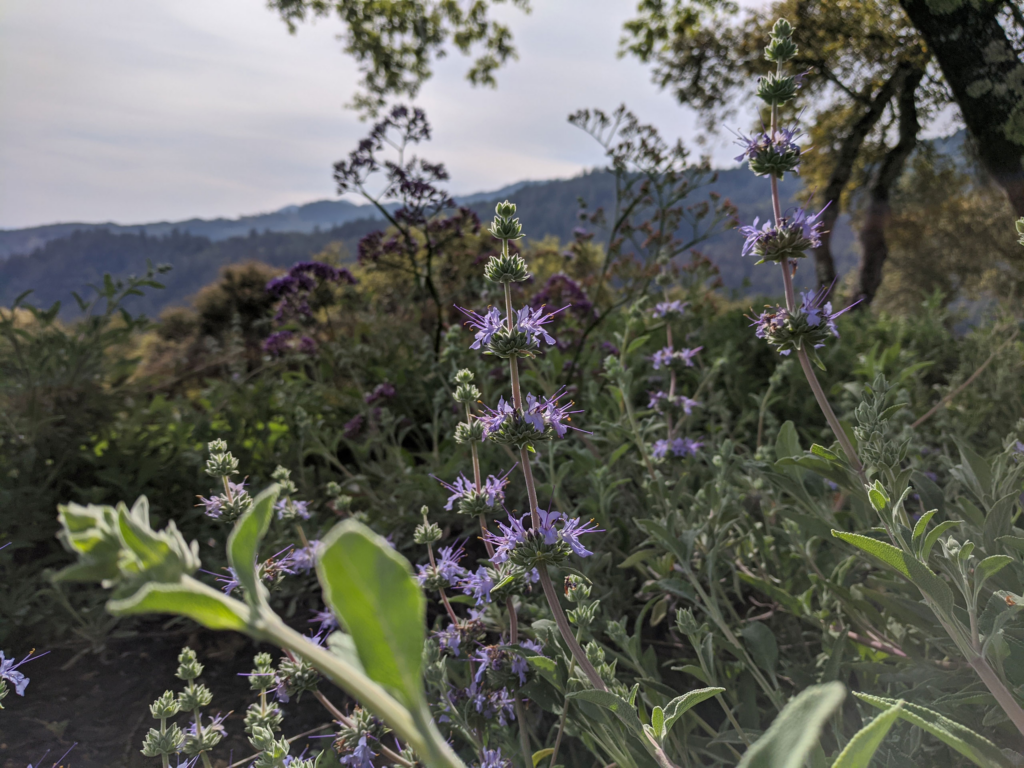
- Salvia clevelandii — fragrant, low‑water, summer‑tough
- Eriogonum (Buckwheat) — pollinator‑friendly, great texture
- Cistus (Rockrose) — Mediterranean, low‑fuel, thrives in heat
Avoid high‑oil, high‑resin species near structures — especially rosemary and lavender, which appear “safe” but aren’t.
Design Moves That Double as Fire Protection
A modern landscape can quietly incorporate fire‑wise strategies without looking defensive.
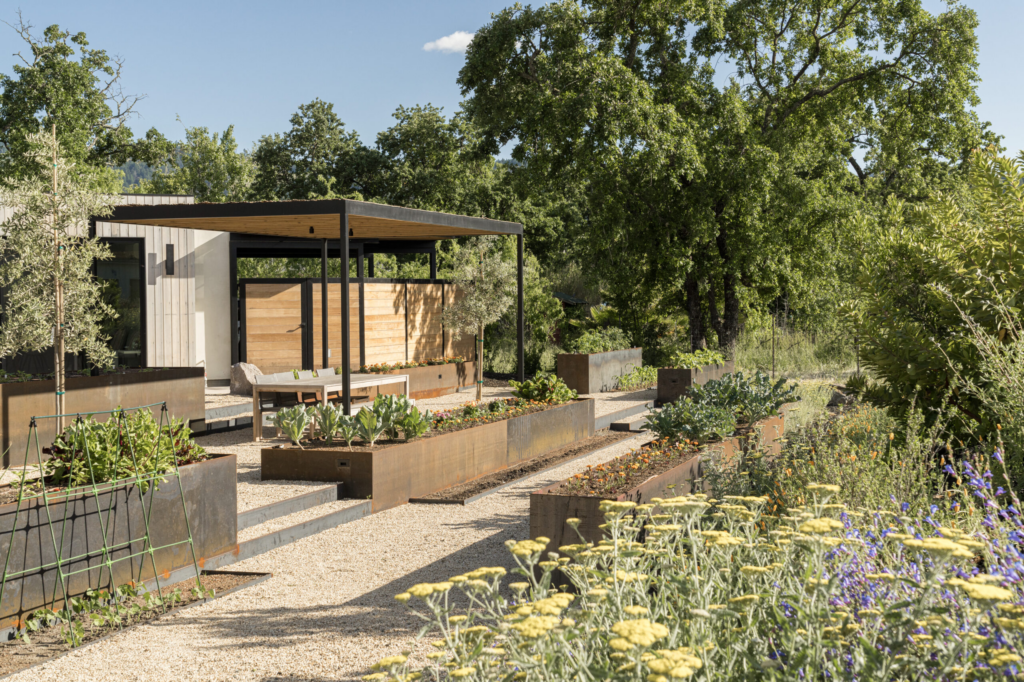
- Steel planters create separation and add sculptural presence.
- Gravel or decomposed granite bands act as ember breaks.
- Pools, spas, and water features serve as natural fire buffers.
- Concrete or stone patios interrupt fuel continuity.
- Modern outbuildings can be positioned to shield the home from wind‑driven embers.
These elements elevate the design while increasing resilience.
Your July Checklist
A simple, actionable list for homeowners:
- Remove deadwood and debris
- Refresh mulch (but keep it away from structures)
- Audit irrigation zones for leaks or overwatering
- Thin dense shrubs
- Limb up trees
- Evaluate the 0–5 ft zone and remove combustibles
- Plan fall planting now — design first, install later
The Takeaway
Fire‑wise design isn’t about fear — it’s about clarity, intention, and modern living in Napa Valley. July is the moment to get ahead, make smart adjustments, and set your property up for a safer season.
If you’re ready to rethink your defensible space or explore a modern, fire‑resilient redesign, now is the perfect time to start.