
Articles Tagged with: firewise

Rethinking Wildfire Safety: Why California’s “Zone 0” Plant Bans Might Miss the Mark

California’s proposal to ban almost all vegetation within 5 feet of homes—known as “Zone 0”—assumes that bare ground is always safer. Yet both field observations and scientific research suggest the opposite: well‐maintained, hydrated plants can intercept embers, cool surrounding air, and deflect wind‐borne firebrands before they reach structures. Removing these living barriers may leave homes as the first—and only—obstacle to embers, turning residences into unintended “ember catchers.”

Hydrated Natives as Living Ember Barriers

Native California plants evolved to thrive on minimal supplemental irrigation and, when lightly hydrated, become highly fire‐resistant. Key benefits include:

    • Ember interception: Moist foliage resists ignition and traps glowing particles.

    • Thermal buffering: Evapotranspiration cools ambient air, reducing radiant heat transfer.

    • Wind disruption: Vegetation canopy creates turbulence that scatters and deflects embers.

Greg Rubin’s firescaping workshop emphasizes a bi-weekly deep soak—reaching 12–18 inches of soil every 10–14 days—to keep Zone 1 shrubs and trees healthy without over-watering.

Wind-Driven vs. Fuel-Driven Fires

The most catastrophic California fires are wind-driven: embers carried by gusts ignite structures first, and buildings then serve as fuel. Regulations that treat fire spread as purely “fuel-driven” overlook how lightly irrigated green belts disrupt ember trajectories. Aerial aerodynamics matter: hydrated plants with vertical structure generate mini-eddies that cool and scatter embers before they strike siding or vents.

Debunking Common “Fire-Safe” Plant Myths

Experts caution against oversimplified plant lists and highlight maintenance and moisture as the true flammability controls. Common misconceptions include:

    • Palm Trees: Unpruned fronds act as ember lofting towers—among the worst fire carriers.

    • Ice Plant: Requires 3–4× the water of natives, burns readily (especially thatch), and offers poor erosion control.

    • Junipers & Cypresses: Accumulate dead material within foliage, fueling rapid ignition near homes.

    • Mulch: Laboratory tests often use fluffed-up materials; in reality, consolidated, hydrated shredded bark (e.g., redwood “gorilla hair”) holds moisture, stabilizes slopes, and resists ember-driven fire better than bare soil.

A Balanced Firescape Strategy for Plant materials.

Rather than a blanket Zone 0 ban, integrate green buffers with structural hardening:

Zone 0 (0–5 ft)

  • New builds: Limit plantings and focus on gravel or decomposed granite for access and ember clearance.
  • Existing homes: Remove Plants from under windows and openings, Prune away from structures and remove deadwood, and keep remaining plants hydrated and well maintained.
    •  

Zone 1 (5–30/50 ft)

  • Lightly irrigated native belts: Catalina cherry, sycamore, cottonwood, and oaks (with cleared understory).
  • Medium shrubs: lemonade berry, coffee-berry; ground covers: wild lilac (Ceanothus ‘Yankee Point’), low-growing manzanitas.

    Beyond Zone 1

    • Thin chaparral by 40–50% (avoid over-thinning to prevent weed invasion).
    • Return chipped prunings as mulch to conserve moisture and suppress weeds.

      Home Hardening

        • Ember-resistant vents.

        • Class A roofing and boxed-in eaves,

        • Metal-frame double-pane windows – tempered glass are best.

        • Non-combustible siding

        • Non-combustible fencing where it meets the house.

      Moving Forward with Science and Nuance

      In an article in the LA Times , Max Moritz and Luca Carmignani warn that overly prescriptive vegetation removal “goes beyond what is currently known from scientific research regarding plant flammability” and risks public pushback. By pairing well-managed, lightly hydrated native landscapes with proven home-hardening measures—and by incorporating wind-driven fire dynamics—California can foster resilient, water-wise communities without resorting to a scorched-earth policy.

      References

        1. Greg Rubin, California’s Own Native Landscape Design, Firescaping Workshop on plant hydration and ember dynamics.
        2. Max Moritz and Luca Carmignani, “California’s proposed ban on plants near homes could be dangerously bad advice,” Los Angeles Times Contributor, June 2, 2025.
      1.  

      Uncommon Gardens is now a RESCAPE QUALIFIED PROFESSIONAL

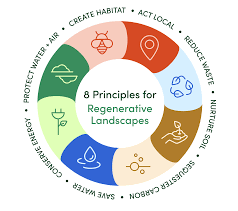
      As stewards of the environment, Uncommon Gardens is committed to creating sustainable and regenerative landscapes that harmonize with nature. We draw inspiration from ReScape, a nonprofit organization advocating for whole-systems regenerative approaches to landscaping. Let’s delve into ReScape’s eight principles and explore how Uncommon Gardens is weaving them into our design ethos.

      8 Principles

      At Uncommon Gardens, we recognize the importance of sourcing materials locally. By collaborating with nearby nurseries and suppliers, we reduce transportation emissions and support our community. Our plant selections are tailored to thrive in our specific climate, ensuring resilience and longevity.

      Waste reduction is at the core of our practices. Uncommon Gardens minimizes green waste by composting organic matter and reusing materials whenever possible. Our commitment to sustainable hardscaping materials and efficient irrigation systems further reduces waste.

      Healthy soil is the foundation of any thriving landscape. We prioritize soil health through organic amendments, cover cropping, and minimal disturbance during installation. By fostering robust soil ecosystems, we enhance plant vitality and water retention.

      Uncommon Gardens actively participates in carbon sequestration. Our choice of native trees and shrubs contributes to carbon storage. Additionally, we advocate for homeowners to maintain mature trees, which play a vital role in offsetting carbon emissions.

      Water conservation is non-negotiable. Our designs incorporate drought-tolerant plants, efficient irrigation controllers, and rainwater harvesting systems. Uncommon Gardens educates clients on responsible water usage, promoting a sustainable balance.

      Thoughtful landscape design can significantly impact energy consumption. Uncommon Gardens strategically places shade trees to cool outdoor spaces, reducing the need for air conditioning. We also integrate LED low voltage lighting and energy-efficient fixtures.

      Our commitment extends beyond aesthetics. Uncommon Gardens avoids harmful pesticides and synthetic fertilizers, safeguarding water quality. We promote native pollinator-friendly plants, enhancing biodiversity and air quality.

      Biodiversity thrives in well-designed landscapes. Uncommon Gardens incorporates native plants, birdhouses, and pollinator-friendly features. Our goal is to create havens for wildlife, fostering ecological balance.

      • Native Plant Palettes: We curate plant palettes that celebrate local flora, attracting native birds, butterflies, and beneficial insects.
      • Permeable Surfaces: Our hardscapes allow rainwater infiltration, reducing runoff and replenishing groundwater.
      • Educational Workshops: Uncommon Gardens hosts workshops on sustainable gardening practices, empowering our clients to be eco-conscious stewards.

      In conclusion, Uncommon Gardens aligns with ReScape’s principles to create landscapes that not only beautify but also regenerate our environment. Together, we cultivate spaces that honor nature’s wisdom and inspire a greener future.


      For more information about ReScape, visit their website1. If you’d like to explore our regenerative landscape designs, feel free to reach out to Uncommon Gardens at contact@uncommon-gardens.com.

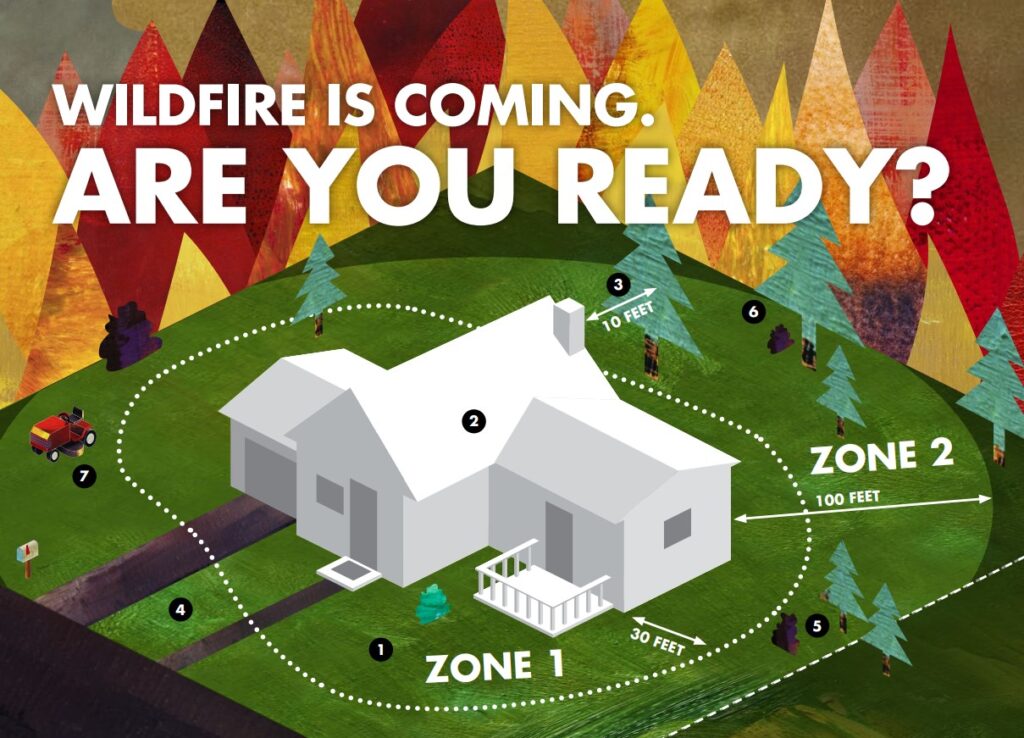
      Defensible Space is simple – and it’s essential to improve your home’s chance of surviving a wildfire!

      Image thanks to CAL FIRE

      Zone 0

       This zone is the ember-resistant zone that extends 5 feet from buildings, structures, decks, etc. This zone includes the area under and around all attached decks and requires the most stringent wildfire fuel reduction. The ember-resistant zone is designed to keep fire or embers from igniting materials that can spread the fire to your home.

      The following provides guidance for this zone: use hardscape like gravel, pavers, concrete, and other noncombustible mulch materials; remove all dead and dying weeds, grass, plants, shrubs, trees, branches and vegetative debris (leaves, needles, cones, bark, etc.); check your roofs, gutters, decks, porches, stairways, etc.; remove all branches within 10 feet of any chimney or stovepipe outlet; limit combustible items (outdoor furniture, planters, etc.) on top of decks; relocate firewood and lumber to Zone 2; replace combustible fencing, gates, and arbors attach to the home with noncombustible alternatives; consider relocating garbage and recycling containers outside this zone; consider relocating boats, RVs, vehicles and other combustible items outside this zone.

      Zone 1

      This area extends 30 feet from buildings, structures, decks, etc. or to your property line whichever is closer. This zone is called the Lean Clean and Green Zone. In this zone remove all dead plants, grass and weeds (vegetation). Remove dead or dry leaves and pine needles from your yard. And remember to remove branches that hang over your roof and keep dead branches 10 feet away from your chimney.

      Zone 2

      After Zone 1 this zone extends out to 100 feet from buildings or to your property line whichever is closer.

      In this zone create horizontal and vertical spacing between plants. The amount of space needed depends on how steep your property is and the size of the plants. For example large trees need more space than small trees. If you’re not sure how much space to provide consider hiring a professional landscape designer or arborist.

      By implementing these zones you can reduce the risk of wildfire damage to your home.

      If this all seems a little complicated, Give Us a Call and we will stop by consult on ways you can harden your home to Wildfire Risk!

      What are Wildfire Zones

      Wildfire zones are areas that are prone to wildfires.

      Fire Hazard Severity Zones fall into the following classifications: Moderate, High, and Very High.

      These zones are classified based on the severity of the fire hazard and the likelihood of a wildfire occurring.

      The classification of these zones is required by law in California, and the fire hazard severity zone designations and accompanying maps must follow the Administrative Procedures Act (APA) and be approved by the Office of Administrative Law (OAL).

      The State Fire Marshal is mandated to classify lands within State Responsibility Areas into Fire Hazard Severity Zones (FHSZ).

      To understand wildfire zones, it is important to understand the factors that influence fire likelihood and fire behavior.

      Wildland vegetation such as grass, brush, and timber can be extremely combustible.

      The vegetation can burn with great intensity and produce firebrands and burning embers that can become wind-driven hazards.

      Landscape vegetation can be as combustible as wildland vegetation.

      Combustible plants have these characteristics: they have a high oil or resin content; they have a high sap or resin content; they have a low moisture content; they have a high surface-to-volume ratio; they have a high fuel load; they are dead or dying.

      Homeowners in higher risk wildfire zones should take steps to reduce the risk of wildfire damage to their homes by creating defensible space around their homes.

      Defensible space is an area around a building where vegetation and other debris are cleared, reduced, or replaced to slow the spread of wildfire towards the building.

      We will add a post soon explaining Defensible Space!

      Privacy Settings
      We use cookies to enhance your experience while using our website. If you are using our Services via a browser you can restrict, block or remove cookies through your web browser settings. We also use content and scripts from third parties that may use tracking technologies. You can selectively provide your consent below to allow such third party embeds. For complete information about the cookies we use, data we collect and how we process them, please check our Privacy Policy
      Youtube
      Consent to display content from - Youtube
      Vimeo
      Consent to display content from - Vimeo
      Google Maps
      Consent to display content from - Google